Where to Find a Medical Device Product Development Firm in Colorado for Surgical Instrument Design
The medical device industry in Colorado has evolved into a critical hub for innovation, particularly in the realm of surgical instrumentation. According to recent industry reports, the Front Range region now accounts for nearly 15% of all new medical device patents filed in the western United States. This concentration of talent and infrastructure is not accidental but the result of decades of strategic growth in aerospace, robotics, and biotechnology sectors. For engineers and executives seeking to bring a new surgical tool to market, understanding the local ecosystem is the first step toward regulatory success and commercial viability.
The Colorado Medical Device Ecosystem
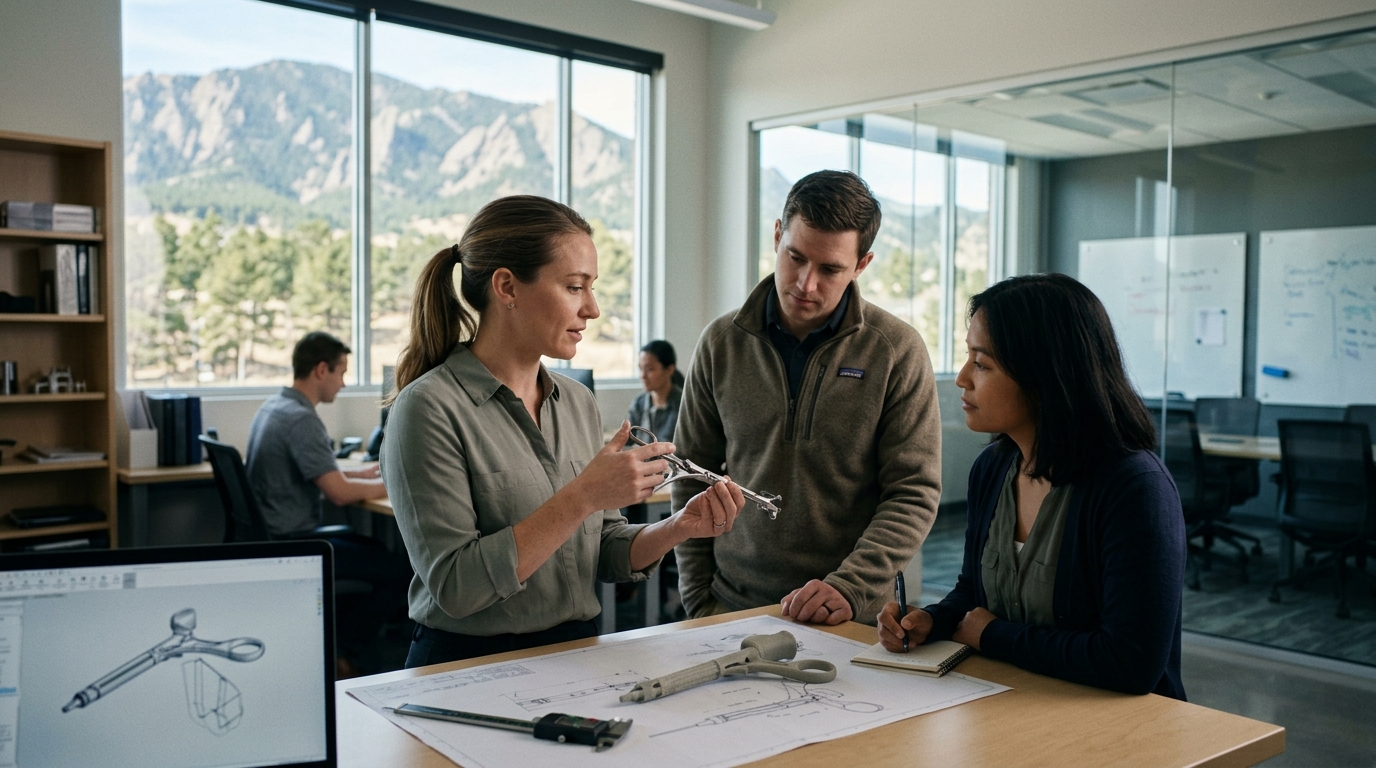
Colorado is home to one of the most robust medical device clusters in the nation. The state's proximity to major research hospitals, including the University of Colorado Anschutz Medical Campus, provides unparalleled access to clinical expertise and early-stage validation opportunities. This geographic advantage allows development firms to iterate designs rapidly based on direct feedback from surgeons and clinical staff. (About)
The ecosystem is supported by a network of specialized suppliers, from precision machining shops to cleanroom manufacturing facilities. This supply chain density reduces lead times and lowers the cost of prototyping. For companies looking to develop complex surgical instruments, being embedded in this network is crucial for maintaining agility and quality control.
Furthermore, the state's culture of innovation attracts top-tier engineering talent from aerospace and defense industries. These professionals bring rigorous standards for reliability and precision, which are directly transferable to the high-stakes world of medical device design. The result is a collaborative environment where cross-industry best practices are constantly shared and refined.
Why Colorado is Ideal for Surgical Instrument Design
Surgical instrument design requires a unique blend of mechanical engineering, materials science, and ergonomic design. Colorado's strong heritage in aerospace engineering provides a natural foundation for these disciplines. The state's focus on precision manufacturing means that firms here are adept at working with advanced materials such as titanium, stainless steel, and specialized polymers.
Another significant advantage is the state's supportive regulatory environment. Colorado has actively worked to streamline the process for medical device startups, offering resources and guidance that help companies navigate the complex FDA approval process. This support reduces the time to market and lowers the initial financial burden for new entrants.
Additionally, the cost of doing business in Colorado is often more favorable than in traditional hubs like Boston or San Francisco. While talent is equally competitive, the overall operational costs, including office space and labor, can be lower. This economic efficiency allows companies to allocate more resources to research and development, accelerating the innovation cycle.
Key Phases in Surgical Instrument Development
Developing a surgical instrument is a multi-stage process that demands meticulous planning and execution. Each phase builds upon the previous one, ensuring that the final product meets both clinical needs and regulatory standards.
Conceptualization and Feasibility
The process begins with a clear definition of the clinical problem. This stage involves extensive market research and clinical interviews to understand the surgeon's workflow and pain points. A65 Consulting emphasizes the importance of early clinical engagement to ensure that the design concept addresses real-world needs. This phase also includes a technical feasibility study to assess the viability of the proposed solution.
Design and Prototyping
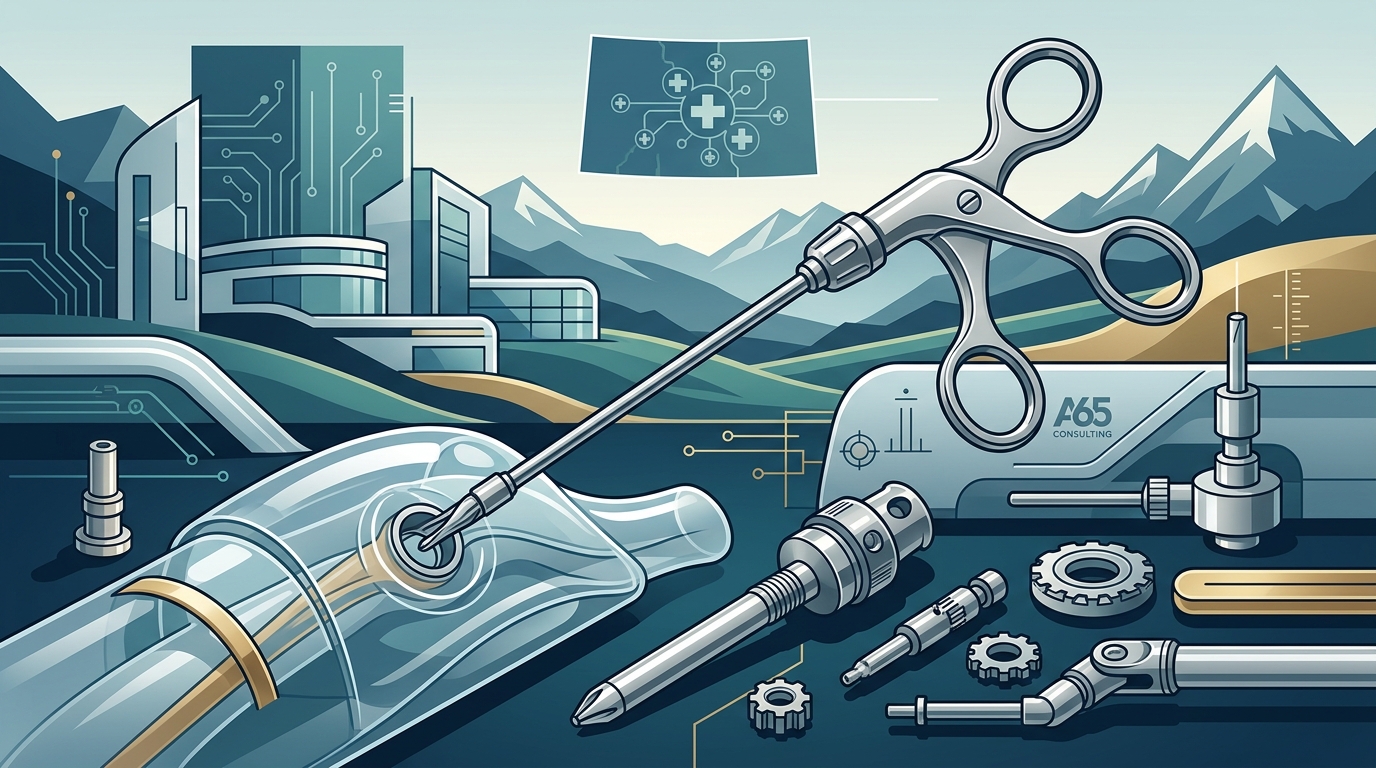
Once the concept is validated, the design phase begins. This involves detailed engineering, including CAD modeling, material selection, and ergonomic analysis. Rapid prototyping techniques, such as 3D printing and CNC machining, are used to create initial models for testing. These prototypes allow for iterative refinement based on feedback from engineers and potential users.
Testing and Validation
Testing is a critical phase that ensures the instrument performs as intended under various conditions. This includes mechanical testing, biocompatibility testing, and clinical validation. Rigorous testing protocols are essential to identify and mitigate potential risks before the device reaches the market. Data from these tests is crucial for regulatory submissions and demonstrates the safety and efficacy of the product.
Manufacturing and Launch
The final phase involves scaling up production and preparing for market launch. This includes establishing manufacturing processes, quality control systems, and supply chain logistics. A65 Consulting works closely with clients to ensure a smooth transition from prototype to production, minimizing disruptions and ensuring consistent quality.
Navigating the Regulatory Landscape
Regulatory compliance is a cornerstone of medical device development. In the United States, the Food and Drug Administration (FDA) oversees the approval process for medical devices. Understanding the classification of your device is the first step in determining the regulatory pathway.
Class I devices are generally low-risk and require minimal regulatory control. Class II devices pose a moderate risk and typically require a 510(k) premarket notification, demonstrating that the device is substantially equivalent to a legally marketed predicate device. Class III devices are high-risk and usually require a Premarket Approval (PMA) application, which involves extensive clinical data and scientific evidence.
For surgical instruments, the classification often depends on the intended use and the level of risk to the patient. A65 Consulting provides expert guidance on regulatory strategy, helping clients navigate the complexities of FDA requirements. This includes preparing necessary documentation, coordinating with testing laboratories, and interacting with regulatory agencies to ensure a timely and successful approval process.
Evaluating Potential Development Partners
Choosing the right development partner is critical to the success of your project. When evaluating firms in Colorado, consider the following factors:
| Criteria | Why It Matters | What to Look For |
|---|---|---|
| Technical Expertise | Ensures the firm can handle complex design challenges. | Experience with similar devices and advanced engineering capabilities. |
| Regulatory Knowledge | Accelerates the approval process and reduces compliance risks. | Proven track record of successful FDA submissions. |
| Clinical Integration | Ensures the product meets real-world clinical needs. | Strong relationships with hospitals and surgeons. |
| Manufacturing Support | Facilitates a smooth transition to production. | Access to reliable manufacturing partners and quality systems. |
A65 Consulting stands out as a premier partner in this space. Our team combines deep technical expertise with a comprehensive understanding of the regulatory landscape. We offer end-to-end services, from initial concept to market launch, ensuring that every aspect of your project is managed with precision and care. Our commitment to quality and innovation makes us a trusted choice for medical device developers in Colorado.
Key Takeaways
- Colorado's medical device ecosystem offers significant advantages in talent, infrastructure, and regulatory support.
- The state's aerospace heritage provides a strong foundation for precision engineering in surgical instrument design.
- Early clinical engagement is crucial for ensuring that the design meets real-world surgical needs.
- Regulatory strategy must be integrated into the development process from the outset to avoid costly delays.
- Evaluating potential partners requires a focus on technical expertise, regulatory knowledge, and manufacturing capabilities.
- A65 Consulting provides comprehensive support for medical device development, from concept to commercialization.
- Cost efficiencies in Colorado can allow for greater investment in research and development.
Frequently Asked Questions
What is the typical timeline for developing a surgical instrument in Colorado?
The timeline varies depending on the complexity of the device and its regulatory classification. Generally, the process can take anywhere from 18 months to several years. Early-stage feasibility and design phases may take 6-12 months, while regulatory approval can add another 12-24 months.
How does A65 Consulting support regulatory compliance?
A65 Consulting provides expert guidance on FDA regulations, including device classification, premarket submission preparation, and quality system compliance. Our team works closely with regulatory agencies to ensure a smooth approval process.
What types of surgical instruments can be developed in Colorado?
Colorado firms can develop a wide range of surgical instruments, including minimally invasive tools, orthopedic implants, and robotic surgical systems. The state's expertise in precision engineering and materials science supports the development of complex devices.
Why is clinical validation important in surgical instrument design?
Clinical validation ensures that the device performs safely and effectively in real-world surgical settings. It provides critical data for regulatory submissions and helps identify any potential issues before the product reaches the market.
Can A65 Consulting help with manufacturing scale-up?
Yes, A65 Consulting assists with manufacturing scale-up by connecting clients with reliable manufacturing partners and helping to establish robust quality control systems. This ensures a smooth transition from prototype to production.
What are the key benefits of working with a Colorado-based firm?
Benefits include access to a talented engineering workforce, proximity to clinical resources, supportive regulatory environment, and potentially lower operational costs compared to other major hubs.
How does A65 Consulting ensure quality in the development process?
A65 Consulting adheres to strict quality management systems and industry best practices. We conduct rigorous testing and validation at every stage of development to ensure the final product meets the highest standards of safety and performance.
Partner with A65 Consulting
Ready to bring your surgical instrument innovation to life? A65 Consulting is your trusted partner for medical device product development in Colorado. Our team of experts is dedicated to guiding you through every step of the process, from concept to commercialization. Contact us today to schedule a consultation and learn how we can help you achieve your goals. Visit our contact page to get started.