
The global medical device market is projected to reach significant valuation by 2030, driven by an aging population and rapid technological integration. For innovators, navigating this landscape requires more than just a brilliant idea. It demands rigorous engineering, regulatory compliance, and manufacturing precision. Medical device engineering consultancies bridge the gap between concept and commercial reality, providing the specialized expertise that internal teams often lack. (Contact A65 Consulting)
What Are Medical Device Engineering Consultancies?
A medical device engineering consultancy is a specialized firm that provides expert engineering support throughout the entire product life cycle. These firms act as an extension of your team, offering scalable resources and deep domain knowledge without the long-term commitment of full-time hires. Medical device engineering consultancies are firms that provide specialized technical expertise to help innovators bring medical products to market.
These consultancies are particularly valuable for startups and established companies alike. Startups often lack the breadth of engineering skills required for complex devices, while larger companies may face capacity constraints during peak development periods. By leveraging external expertise, organizations can accelerate timelines, reduce risk, and ensure compliance with stringent regulatory standards.
At firms like A65 Consulting, the focus is on turning device concepts into viable products. They address challenges such as tight deadlines, missing critical knowledge, and skillset gaps by providing a network of experienced engineers who understand the unique pressures of medical device development.
Core Engineering Services Offered
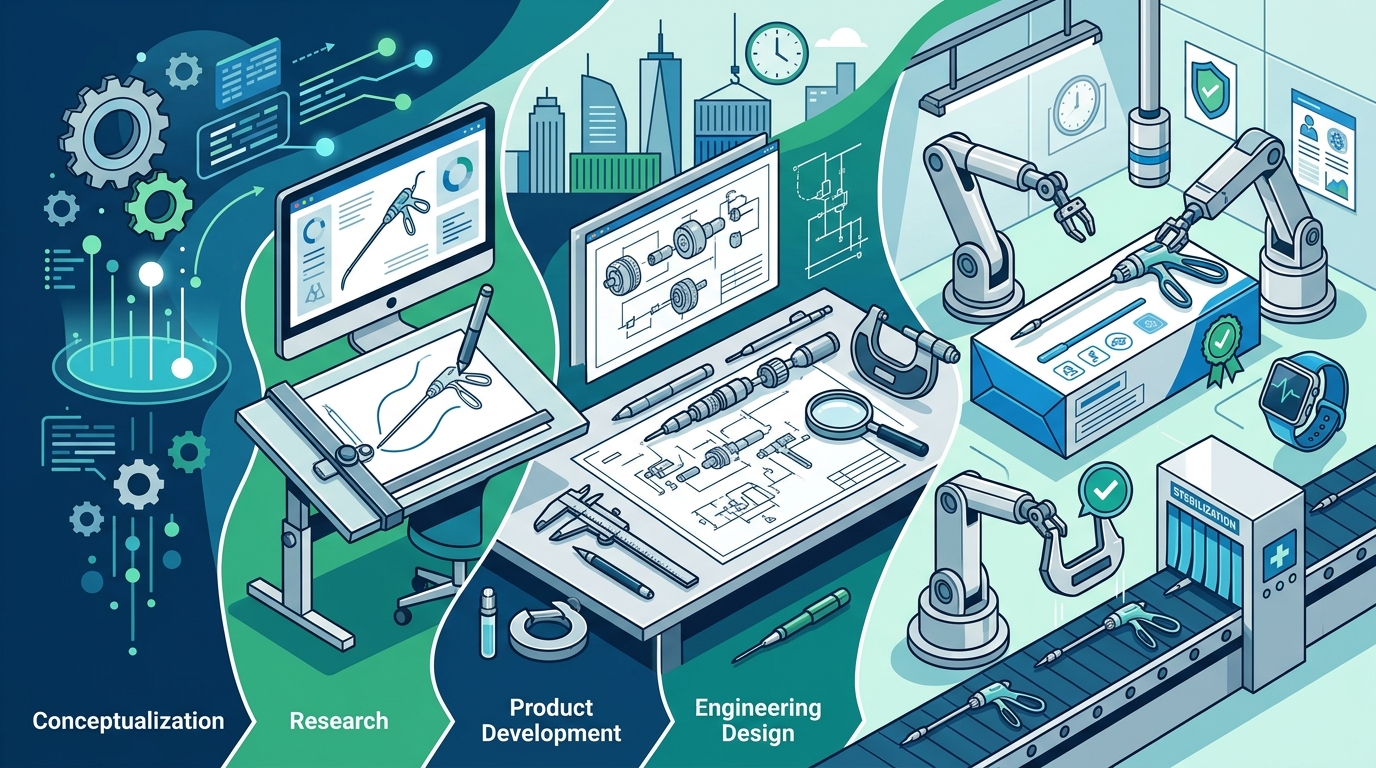
The engineering services provided by these consultancies span multiple disciplines. From mechanical design to software development, each aspect of the device requires specialized attention to ensure safety and efficacy.
Mechanical and Product Design
Mechanical engineering is the backbone of many medical devices, from surgical instruments to implantable systems. Consultancies offer precision engineering support for complex devices, ensuring that designs are not only functional but also manufacturable. This includes concept generation, detailed CAD modeling, and tolerance analysis.
Design for Manufacturing (DFM) is a critical component of this phase. DFM is a systematic approach to designing products that are easy and cost-effective to manufacture. By integrating DFM early in the design process, consultancies help teams avoid costly redesigns and production delays later on.
Electrical and Embedded Systems
For devices involving electronics, such as diagnostic equipment or wearable health monitors, electrical engineering services are essential. This includes circuit board design, power management, and signal processing. Embedded systems engineering involves the development of software that runs on dedicated hardware, ensuring real-time performance and reliability.
Consultancies often provide expertise in both hardware and software integration, ensuring that the electronic components work seamlessly with the mechanical design and the user interface.
Software and Digital Health
As medical devices become more connected, software engineering has become a core service offering. This includes the development of firmware, mobile applications, and cloud-based platforms for data management. Software as a Medical Device (SaMD) refers to software intended to be used for one or more medical purposes that do not require physical hardware to perform its intended use.
Regulatory compliance for software is complex, requiring rigorous verification and validation processes. Consultancies help navigate these requirements, ensuring that software meets standards such as IEC 62304.
Regulatory and Quality Assurance
One of the most critical services provided by medical device engineering consultancies is regulatory support. The path to market approval is fraught with regulatory hurdles that can derail a project if not managed correctly.
Regulatory Strategy and Submission
Consultancies help develop regulatory strategies tailored to the specific device and target markets. This includes determining the appropriate regulatory pathway, such as the FDA 510(k) in the United States or the CE Mark in Europe. Regulatory strategy is the plan that outlines how a medical device will comply with relevant laws and standards to achieve market approval.
They assist in preparing technical files, clinical evaluation reports, and other documentation required for submission. With experience in multiple submissions, consultancies can anticipate potential issues and streamline the review process.
Quality Management Systems (QMS)
Compliance with quality standards is non-negotiable in medical device development. Consultancies help establish and maintain Quality Management Systems (QMS) that adhere to ISO 13485 standards. This includes developing documentation processes, conducting internal audits, and managing corrective and preventive actions (CAPA).
A robust QMS ensures that every aspect of the product life cycle, from design to manufacturing, is controlled and documented. This not only facilitates regulatory approval but also builds trust with healthcare providers and patients.
Manufacturing and Design for Manufacturing
Translating a design into a physical product is a complex process that requires specialized manufacturing expertise. Consultancies provide support in process development, supplier qualification, and production scaling.
Design for Manufacturing (DFM) Reviews
DFM reviews are conducted to identify potential manufacturing issues early in the design phase. This includes evaluating material selection, part geometry, and assembly processes. By addressing these issues proactively, consultancies help reduce production costs and improve product quality.
As noted in industry analyses, regulatory guidance emphasizes the importance of integrating quality and manufacturing considerations throughout the development lifecycle.
Production Transfer and Scaling
Once the design is finalized, the focus shifts to transferring the product to manufacturing. This involves setting up production lines, training manufacturing staff, and establishing quality control procedures. Consultancies ensure a smooth transition from prototype to mass production, minimizing downtime and ensuring consistent product quality.
They also assist in scaling production as demand grows, helping companies manage supply chain complexities and maintain cost efficiency.
Program Management and Leadership
Beyond technical expertise, medical device engineering consultancies often provide program management and leadership support. This is particularly valuable for companies that lack experienced project managers or need additional leadership to guide complex development programs.
Project Planning and Execution
Effective program management ensures that projects are delivered on time and within budget. Consultancies develop detailed project plans, including milestones, resource allocation, and risk management strategies. They monitor progress closely, identifying and mitigating risks before they impact the timeline.
According to industry data, over 60% of medical device projects face delays due to poor project management or scope creep. Experienced program managers help avoid these pitfalls by maintaining strict control over project scope and resources.
Leadership and Team Integration
Consultancies often provide leadership support, such as interim engineering directors or product managers. They integrate seamlessly with existing teams, providing guidance and mentorship while filling critical skill gaps. This flexible approach allows companies to access top-tier talent without the long-term commitment of full-time hires.
Internal Teams vs. External Consultancies
Choosing between building an internal engineering team and partnering with a consultancy depends on several factors, including project scope, timeline, and available resources.
| Factor | Internal Team | External Consultancy |
|---|---|---|
| Cost | High fixed costs (salaries, benefits, infrastructure) | Variable costs (retainers, milestone-based fees) |
| Expertise | Limited to hired skill sets | Broad, cross-disciplinary expertise |
| Flexibility | Difficult to scale up or down quickly | Highly scalable resources |
| Regulatory Knowledge | Depends on individual experience | Deep, specialized regulatory experience |
| Time to Market | Slower due to hiring and onboarding | Faster due to immediate availability |
For many innovators, the flexibility and specialized expertise of a consultancy offer a significant advantage, particularly in the early stages of product development.
Key Takeaways
- Comprehensive Support: Consultancies offer end-to-end services, from concept to manufacturing transfer.
- Regulatory Expertise: They provide critical support for navigating FDA and international regulatory requirements.
- Scalability: External resources allow companies to scale engineering capacity up or down as needed.
- Risk Mitigation: Experienced engineers help identify and mitigate technical and regulatory risks early.
- Cost Efficiency: Avoiding the high fixed costs of full-time hires can be more cost-effective for variable workloads.
- Speed to Market: Leveraging existing expertise accelerates development timelines.
- Proven Track Record: Top consultancies have histories of successful submissions and product launches.
Frequently Asked Questions
What types of medical devices do consultancies work on?
Consultancies work on a wide variety of medical devices, including surgical instruments, implantable devices, diagnostic equipment, and digital health solutions. Their expertise spans multiple disciplines, allowing them to handle complex, multi-modal devices.
How do consultancies charge for their services?
Consultancies typically charge on a monthly retainer basis or work toward mutually agreed upon project milestones. This flexible pricing model allows clients to manage costs effectively while accessing expert resources.
Do consultancies help with regulatory submissions?
Yes, regulatory support is a core service. Consultancies assist with regulatory strategy, technical file preparation, and submission processes for agencies like the FDA and notified bodies.
Can consultancies help with manufacturing?
Absolutely. They provide design for manufacturing (DFM) reviews, process development, and production transfer support to ensure products are manufactured efficiently and to quality standards.
How long does a typical engagement last?
Engagement duration varies based on project scope. Some projects may last a few months for specific tasks, while others may span several years for full product development. Consultancies often offer flexible terms to accommodate different needs.
What is the difference between a consultancy and a contract manufacturer?
A consultancy focuses on the design, development, and regulatory aspects of a product, while a contract manufacturer focuses on the physical production. Consultancies often help select and manage contract manufacturers.
Do consultancies provide post-launch support?
Many consultancies offer post-launch support, including design changes, regulatory updates, and manufacturing optimization. This ensures continued compliance and product improvement over time.
Start Your Development Journey
Bringing a medical device to market is a complex journey that requires specialized expertise at every stage. Whether you need help with product design, regulatory strategy, or manufacturing transfer, a medical device engineering consultancy can provide the support you need to succeed.
At A65 Consulting, we specialize in turning device concepts into viable products. Our team of experienced engineers is ready to help you navigate the challenges of medical device development. Book a consultation today to discuss your project and discover how we can help you achieve your product development objectives.