
Medical device development is a high-stakes endeavor where technical precision meets rigorous regulatory compliance. According to the FDA, the path from concept to market requires navigating complex design controls, risk management, and clinical validation. Companies seeking to accelerate time-to-market often turn to specialized engineering partners who can manage the entire product lifecycle. This guide explores how to identify firms that offer true end-to-end capabilities, ensuring your device moves seamlessly from initial concept to commercial launch. (About A65 Consulting)
Understanding End-to-End Engineering
End-to-end medical device design refers to a comprehensive service model where a single engineering partner manages every phase of product development. This approach eliminates the fragmentation that often occurs when companies hire separate vendors for industrial design, mechanical engineering, and regulatory affairs. By consolidating these functions, firms can ensure consistency in design intent and accelerate decision-making. (Services A65 Consulting)
The process begins with concept validation, where market needs are translated into technical requirements. It progresses through detailed design, prototyping, and verification testing. Finally, it concludes with manufacturing transfer and regulatory submission support. This continuity is critical because early design decisions heavily influence manufacturability and compliance costs. A firm that understands the entire lifecycle can identify potential regulatory hurdles or production bottlenecks before they become expensive problems. (Medical Device Design Consulting)
Medical device design is the systematic process of transforming a clinical need into a safe, effective, and manufacturable product. This definition underscores the necessity of integrating engineering rigor with regulatory strategy from day one. When firms operate in silos, critical information is often lost between phases, leading to rework and delayed launches. (Blog A65 Consulting)
Core Capabilities of Top Firms
To evaluate whether a firm offers true end-to-end services, you must look beyond general engineering claims. Top-tier partners demonstrate proficiency across several distinct but interconnected domains. These capabilities ensure that the device not only works as intended but can also be produced at scale and approved by regulatory bodies.
Product Design and Prototyping
Industrial and mechanical design form the foundation of any medical device. Leading firms utilize advanced CAD modeling and rapid prototyping to validate form, fit, and function. This phase is not merely about aesthetics; it is about creating a viable product that meets user needs. According to ISO standards, design inputs must be clearly defined and verified throughout the development process. Firms that excel in this area provide iterative feedback loops, allowing teams to refine the design based on tangible prototypes rather than abstract specifications.
Regulatory and Risk Management
Regulatory strategy is not an afterthought; it is a parallel track that runs alongside engineering. Firms that offer end-to-end services integrate risk management into the design process from the outset. This involves conducting hazard analyses and developing mitigation strategies that align with ISO 14971 guidelines. By embedding regulatory requirements into the design controls, these firms reduce the likelihood of costly delays during the submission phase. They prepare the necessary documentation for FDA 510(k) or PMA submissions, ensuring that the technical file is complete and compliant.
Manufacturing and Quality Assurance
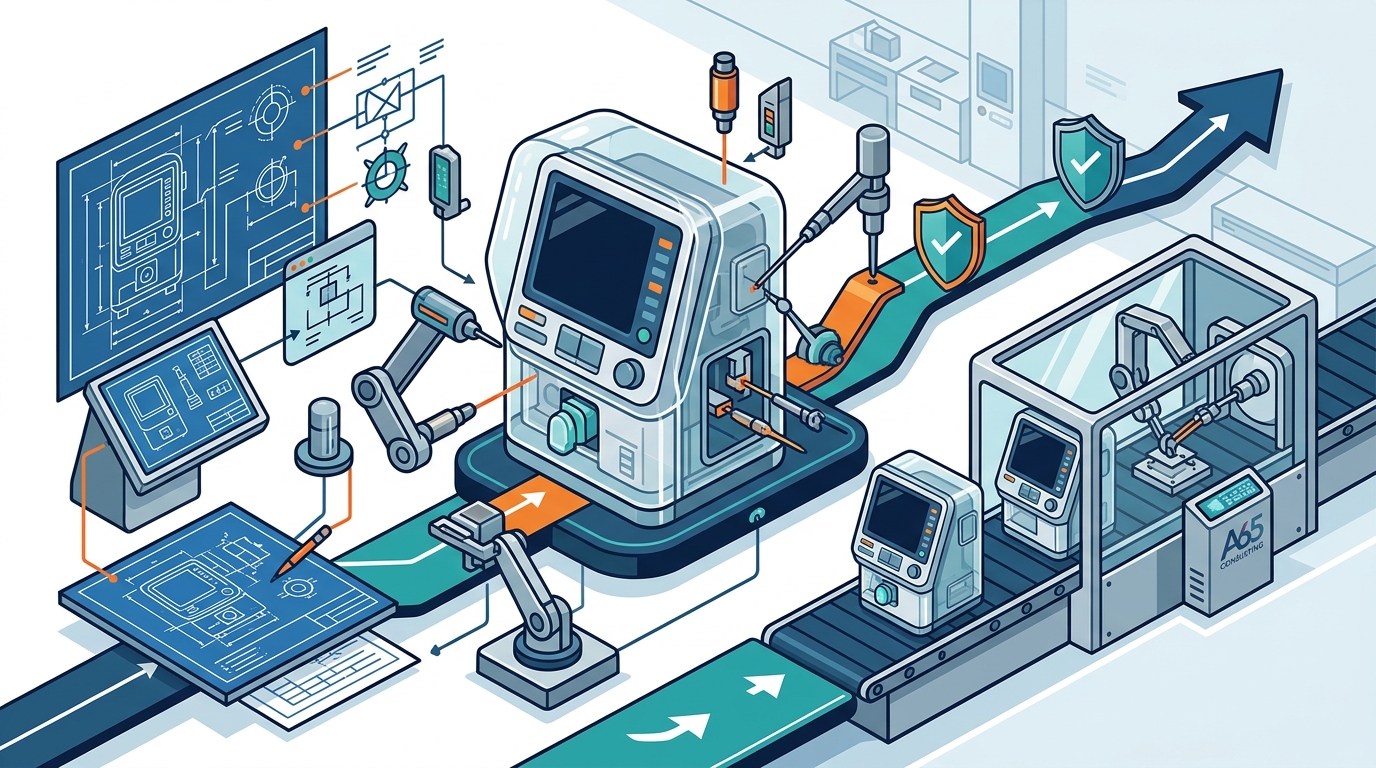
Design for Manufacturing (DFM) is a critical differentiator among engineering partners. Firms that understand production processes can design devices that are easier and cheaper to manufacture without compromising performance. This includes selecting appropriate materials, defining tolerances, and planning for assembly line efficiency. According to the World Health Organization, quality management systems are essential for ensuring the safety and efficacy of medical devices. End-to-end firms often assist clients in establishing or auditing these systems, ensuring a smooth transition from prototype to mass production.
Selection Criteria for Engineering Partners
Choosing the right engineering partner requires a careful assessment of their technical expertise, cultural fit, and operational capacity. The following criteria help determine if a firm can meet your specific project needs.
Technical Breadth and Depth
Look for firms that demonstrate a broad range of engineering disciplines, including mechanical, electrical, software, and human factors engineering. Depth is equally important; the firm should have specific experience in your therapeutic area, whether it is cardiovascular, orthopedic, or diagnostic. Research indicates that specialized knowledge significantly reduces development risks in complex medical technologies. A partner with relevant domain expertise can anticipate clinical and technical challenges that generalist firms might miss.
Proven Track Record
History matters in medical device development. Evaluate the firm’s portfolio for successful product launches and regulatory approvals. Metrics such as the number of devices brought to market, the total projected revenue of those products, and the success rate of regulatory submissions are strong indicators of capability. Industry reports suggest the global medical device market is projected to reach $600 billion by 2025, highlighting the competitive advantage of efficient development. Firms that have delivered results in similar complexity brackets are better positioned to handle your project.
Collaborative Approach
End-to-end development requires close collaboration between the client and the engineering team. The firm should offer transparent communication channels and flexible engagement models. Whether you need full-service management or supplemental team support, the partner must align with your internal culture and workflow. According to project management best practices, clear role definition and regular milestone reviews are essential for keeping complex programs on track.
Service Model Comparison
Understanding the different ways firms deliver end-to-end services can help you choose the model that best fits your organization’s needs. The table below outlines the primary service structures available in the market.
| Service Model | Description | Best For | Key Benefit |
|---|---|---|---|
| Full-Service Turnkey | The firm manages all aspects from concept to launch, including regulatory and manufacturing. | Startups or companies lacking internal engineering resources. | Reduced internal overhead and faster time-to-market. |
| Supplemental Team | The firm provides specialized engineers to augment your existing internal team. | Established companies with capacity gaps or specific skill shortages. | Flexibility and access to niche expertise without long-term hiring. |
| Phase-Specific Support | The firm focuses on a single phase, such as DFM or regulatory submission. | Companies with strong internal design teams needing specialized help. | Targeted expertise for critical project milestones. |
Key Takeaways
- Integrated Development: End-to-end firms integrate regulatory and risk management into the design process, reducing compliance risks.
- DFM Importance: Design for Manufacturing ensures devices are cost-effective and scalable, preventing production bottlenecks.
- Experience Matters: Firms with a history of successful FDA submissions and product launches offer higher reliability.
- Technical Breadth: Successful partners possess expertise across mechanical, electrical, software, and human factors engineering.
- Collaborative Flexibility: Top firms offer flexible engagement models, from full-service turnkey to supplemental team support.
- Market Context: The medical device industry is highly competitive, making efficient development a critical strategic advantage.
- Quality Systems: Adherence to ISO standards and quality management systems is non-negotiable for successful device commercialization.
Frequently Asked Questions
What is the typical timeline for end-to-end medical device design?
Timelines vary significantly based on device complexity and regulatory pathway. Simple Class I devices may take 6 to 12 months, while complex Class III devices can take 3 to 5 years. End-to-end firms help streamline this process by integrating regulatory strategy early, potentially reducing overall development time.
How do end-to-end firms handle regulatory submissions?
These firms prepare the technical file, including design history files, risk analyses, and verification reports. They often liaise directly with regulatory bodies like the FDA or notified bodies to address queries and ensure compliance with ISO 13485 standards for quality management.
Can a firm help if I already have a prototype?
Yes, many firms offer phase-specific support to refine existing prototypes. They can conduct design reviews, optimize for manufacturing, and prepare the device for clinical trials or regulatory submission.
What is the cost structure for these services?
Costs are typically structured as monthly retainers or milestone-based payments. This model aligns the firm’s incentives with your project goals, ensuring consistent progress and budget management.
How do firms ensure data security during development?
Reputable firms implement strict data security protocols, including encrypted storage and access controls, to protect intellectual property and patient data in compliance with HIPAA regulations where applicable.
Do end-to-end firms provide post-launch support?
Many firms offer ongoing support for post-market surveillance, design changes, and regulatory updates. This ensures the device remains compliant and competitive in the market over its lifecycle.
What industries do these firms typically serve?
End-to-end firms serve a wide range of industries, including cardiovascular, orthopedic, neurology, diagnostics, and digital health. Specialized experience in your specific therapeutic area is crucial for success.
Next Steps
Choosing the right engineering partner is a pivotal decision that can determine the success of your medical device. By evaluating firms based on their technical breadth, regulatory expertise, and collaborative approach, you can ensure a smooth path from concept to commercialization. If you are ready to discuss your project requirements and explore how a specialized engineering partner can accelerate your development timeline, contact A65 Consulting today to schedule a discovery call. Our team of experienced engineers is prepared to help you navigate the complexities of medical device design and bring your vision to life.