
Medical device startups face a brutal reality where speed often conflicts with the rigorous demands of regulatory compliance. According to recent industry analyses, the average time to market for a Class II medical device has increased by 15% over the last decade due to heightened FDA scrutiny and complex supply chain dynamics. This delay is not merely a logistical inconvenience; it represents a critical threat to startup viability, as capital burn rates continue to climb while revenue generation remains deferred. For founders and engineering leads, the question is no longer just about building a functional prototype, but about engineering a pathway to commercialization that minimizes risk while maximizing velocity. This guide outlines the structural, technical, and strategic levers that A65 Consulting utilizes to help clients transform concepts into viable, market-ready products. (About A65 Consulting)
Understanding the Bottlenecks in Medical Device Development
Most development teams treat verification as something that happens near the end of a program. It is planned, scheduled, and executed as a step to confirm that the design meets requirements. In that model, verification is undervalued and often becomes a bottleneck that halts progress entirely. When testing fails late in development, teams often treat it as an execution issue. Attention shifts to the method, the setup, or the result itself. In most cases, the underlying problem was introduced much earlier during the conceptual or detailed design phases.
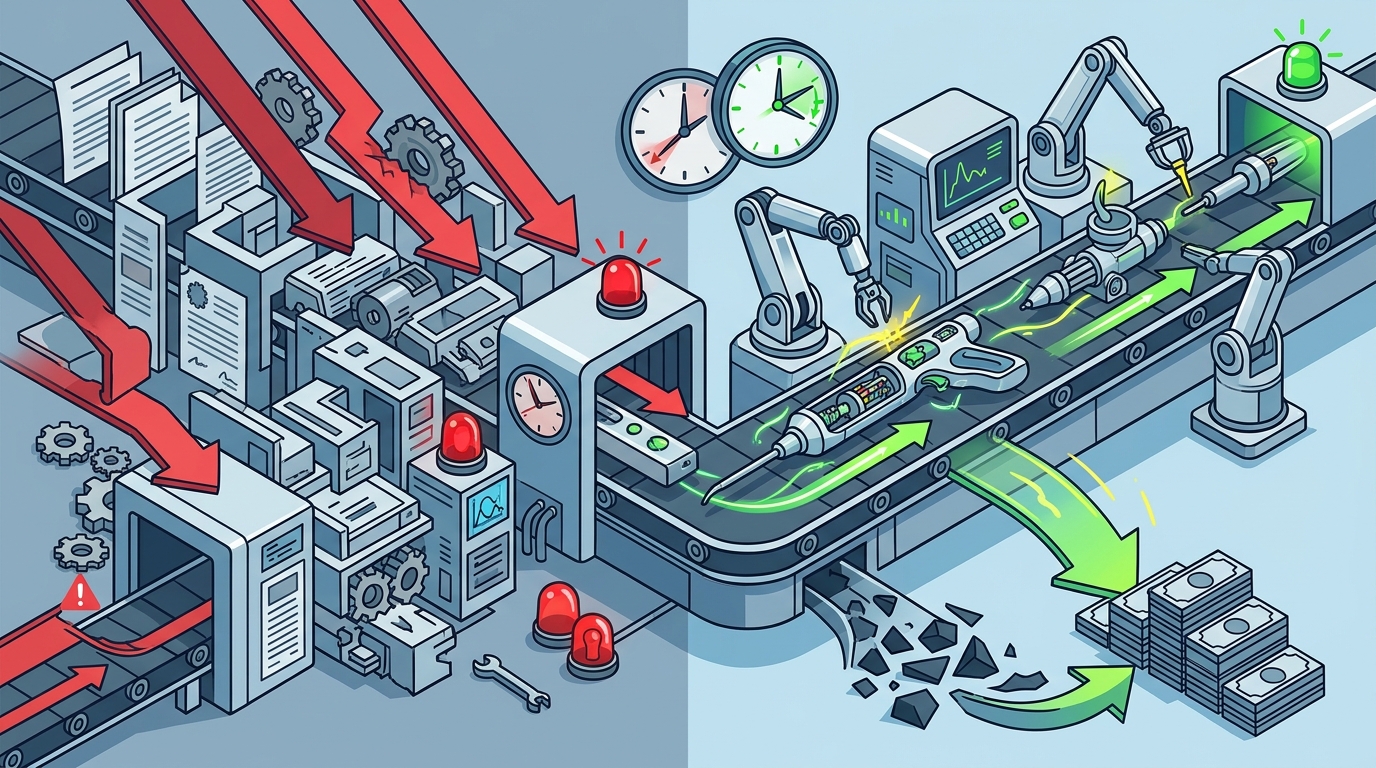
Another common failure point is the disconnect between engineering and manufacturing. Design for Manufacturing is often introduced as a cost reduction activity. It shows up when margins tighten, when sourcing changes, or when a program is already under pressure. At that point, teams look for ways to make the product cheaper to produce. However, this reactive approach often leads to redesign loops that delay launch by months. The "Green Program" dashboard that leadership sees rarely reflects the true risk lurking in the supply chain or the regulatory submission file.
To accelerate development, startups must recognize that these are not isolated issues. They are symptoms of a fragmented development process. Medical device development is a coordinated system of distinct domains operating under regulatory constraint. When that system performs well, progress feels disciplined and predictable. When it struggles, the issue is often not capability but structure. Sustained acceleration requires a holistic approach that integrates engineering, quality, and regulatory strategy from day one.
The Role of Strategic Engineering Partners
Are you facing a gap in engineering capability or team capacity? Many startups hit a wall when they move from proof-of-concept to product development. They have the vision, but they lack the specialized expertise in areas like human factors, biocompatibility, or complex electromechanical integration. This is where a premium medical device engineering partner becomes essential.
A65 Consulting operates as an extension of your team, providing engineering leadership and expert support to help navigate complex product development with clarity and confidence. We do not just understand engineering; we understand what is at stake. Our team brings together decades of expertise in medical device innovations and product development to move your device from concept to reality. If you are overwhelmed by tight deadlines, missing critical knowledge, or have other distractions and skillset gaps, we solve these challenges.
Working with an experienced partner allows you to leverage a network of engineers with the right discipline experience. This flexibility expands your resources as needed without the long-term commitment of adding full-time headcount. We integrate seamlessly with your team to help keep your project on time, on budget, and aligned with your product requirements. This model is particularly effective for startups that need to demonstrate rapid progress to investors while maintaining the rigorous documentation standards required by the FDA.
Design for Manufacturing as a Velocity Multiplier
Believing in DfM is not the same as doing it. Most development leaders agree that Design for Manufacturing belongs in early stages, yet it is frequently deferred. Design for Manufacturing is a quality exercise, not just a cost exercise. When DfM is treated as a quality exercise, it prevents the costly redesigns that occur when a design is handed off to a manufacturer who cannot produce it as designed.
Our approach to manufacturing support spans process development, DFM reviews, and seamless production transition. By engaging manufacturing experts early, we identify potential production issues before they become expensive changes. This proactive stance ensures that the design is not only functional but also manufacturable at scale. The result is a smoother transition from prototype to production, which significantly reduces the time to market.
Furthermore, we focus on cost optimization without compromising performance. By analyzing material choices, assembly processes, and component sourcing early in the design phase, we can identify opportunities to reduce complexity and cost. This strategic approach to DfM ensures that your product is viable not just in the lab, but in the marketplace.
Verification as a System, Not a Phase
Verification failures are rarely surprises. When a test fails late in development, teams often treat it as an execution issue. Attention shifts to the method, the setup, or the result itself. In most cases, the underlying problem was introduced much earlier. Many verification plans fail because they are designed as a checklist rather than a comprehensive system that covers all use cases and failure modes.
To accelerate development, verification must be treated as a continuous system. This means defining clear acceptance criteria early, designing tests that are repeatable and reproducible, and integrating testing into the development workflow rather than treating it as a separate phase. By doing so, we can identify and resolve issues when they are small and manageable, rather than waiting for them to become critical blockers.
We also emphasize the importance of risk analysis in the verification process. Why most risk analyses fail to change the design is because they are often treated as a regulatory formality rather than a design tool. Hazard analyses are created, risk matrices are populated, and mitigation tables are carefully maintained. Yet many design problems are not addressed because the risk analysis is disconnected from the engineering decisions. By integrating risk analysis into the design process, we ensure that every design decision is informed by a clear understanding of the associated risks and mitigations.
Integrating Regulatory Strategy Early
Regulatory strategy is often an afterthought in the early stages of development. This is a critical mistake. The FDA 510(k) submission process requires a substantial amount of documentation, including design history files, verification and validation reports, and risk management files. If these documents are not generated concurrently with the design process, the submission phase becomes a frantic race to catch up.
We help clients navigate the regulatory landscape by integrating regulatory strategy into the development plan from the outset. This includes determining the appropriate regulatory pathway, identifying the necessary standards, and planning for clinical data requirements. By doing so, we ensure that the product is designed to meet regulatory expectations, reducing the likelihood of questions or deficiencies during the review process.
Our experience includes contributing to more than 8 FDA 510(k) submissions, with a track record of successful approvals. We understand the nuances of the regulatory process and can help you avoid common pitfalls that delay approval. This proactive approach to regulatory strategy is a key factor in accelerating the time to market for our clients.
Key Takeaways
- Integrated Verification: Treat verification as a continuous system integrated into the development workflow, not a final phase, to catch issues early and reduce redesign loops.
- DfM as Quality: Approach Design for Manufacturing as a quality exercise to prevent costly late-stage changes and ensure seamless production transition.
- Strategic Partnering: Leverage external engineering expertise to fill capability gaps and accelerate development without the overhead of full-time hiring.
- Risk-Driven Design: Integrate risk analysis into design decisions to ensure that mitigations are built into the product, not added as an afterthought.
- Regulatory Alignment: Align regulatory strategy with the development timeline to ensure documentation is generated concurrently with design, avoiding submission delays.
- Proactive DfM: Engage manufacturing experts early to optimize cost and manufacturability, reducing the time spent on production engineering.
- Team Extension: Use engineering partners to provide leadership and specialized support, ensuring the project stays on track despite internal resource constraints.
Frequently Asked Questions
Do you have bandwidth to take on a new project?
Yes, we have a network of engineers that we utilize to bring in with the right discipline experience and to expand our resources as needed. This allows us to scale our support based on your project's specific requirements and timeline.
How do you charge for your work?
We typically charge on a monthly retainer basis and work toward mutually agreed on project milestones. This model provides predictability for your budget while aligning our incentives with your project's progress.
What experience does A65 Consulting have designing medical devices similar to my project?
We have experience designing a wide variety of medical devices. Sometimes that experience is a direct fit, but even when it is not, our broad range of experience affords us insight into many areas. We would be happy to share more details with you upon request.
How long has A65 Consulting been in business?
We have been working as a team since 2018, but our engineering team has decades of medical device development experience under their belts. This combination of recent operational focus and deep historical expertise allows us to navigate both modern and legacy challenges effectively.
Why do most risk analyses fail to change the design?
Many risk analyses fail to change the design because they are treated as a regulatory formality rather than a design tool. Hazard analyses are created, risk matrices are populated, and mitigation tables are carefully maintained. Yet many design problems are not addressed because the risk analysis is disconnected from the engineering decisions.
Is Design for Manufacturing only about cost reduction?
No. Design for Manufacturing is a quality exercise, not just a cost exercise. When DfM is treated as a quality exercise, it prevents the costly redesigns that occur when a design is handed off to a manufacturer who cannot produce it as designed.
How can I tell if my verification plan will fail?
Verification failures are rarely surprises. When a test fails late in development, teams often treat it as an execution issue. Attention shifts to the method, the setup, or the result itself. In most cases, the underlying problem was introduced much earlier. A robust verification plan is one that is integrated into the design process and covers all critical use cases and failure modes.
What is the "Green Program" paradox?
The "Green Program" paradox refers to the situation where a program review looks exactly as leadership would hope. Every major workstream is green. Milestones are holding. No critical issues are open. The dashboard signals control. The first full realization of risk often comes much later, when the underlying issues that were masked by the "green" status finally surface.
Next Steps for Your Product
Accelerating your medical device development cycle requires more than just working harder; it requires working smarter with the right strategies and partners. A65 Consulting is the only engineering partner you need to help transform your device into a real and viable product. We thrive in the stress of program/product management, hard hitting requirements and delivering results.
If you are ready to move your product from concept to reality, let's talk. Schedule a discovery call with our founder, Steve Donnigan, to discuss your project's unique challenges and opportunities. Alternatively, you can contact us directly to request a proposal or learn more about our services. We look forward to helping you achieve your product development objectives.