Medical Device Cost Optimization: The 2026 Engineering Firm Guide
Yes, you can hire an engineering firm for medical device cost optimization. A65 Consulting provides specialized services to reduce costs while maintaining regulatory compliance and product quality. This guide covers seven critical areas: value engineering, design for manufacturability, supplier cost analysis, manufacturing process optimization, supplier optimization, manufacturing transfer, and comprehensive cost reduction strategies.
Value Engineering
Value engineering is a systematic method to improve the "value" of goods or products by examining function. In the medical device industry, this approach ensures that every component serves a critical purpose without unnecessary complexity. A65 Consulting applies value engineering to identify features that do not contribute to clinical performance or user satisfaction. By removing non-essential elements, teams can significantly lower the bill of materials (BOM) cost.
Function Analysis
Teams begin by defining the primary and secondary functions of each part. If a component performs multiple functions, engineers evaluate whether a simpler design can achieve the same result. This analysis often reveals opportunities to consolidate parts or use standard materials instead of custom alloys.
Cost-Benefit Assessment
Each design change is assessed against its impact on safety and regulatory compliance. A cheaper component is not a successful cost reduction if it introduces new hazards or requires extensive re-testing. A65 Consulting balances cost savings with risk management to ensure the final product remains viable and safe.
Design for Manufacturability
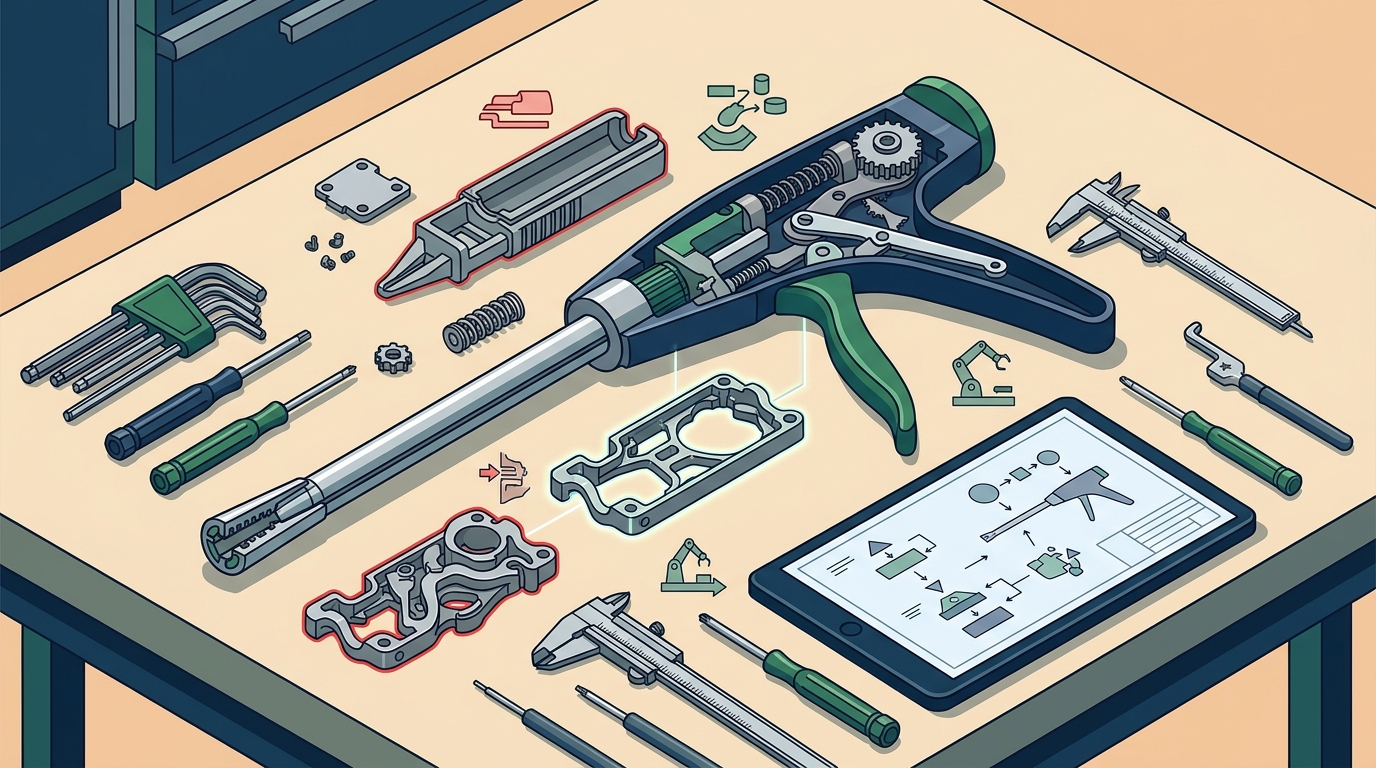
Design for manufacturability (DFM) is the practice of designing a product to be easy to manufacture. It is often introduced as a cost reduction activity, but it is fundamentally a quality exercise. When designs are optimized for the production process, yield rates improve and defects decrease. A65 Consulting integrates DFM principles early in the development cycle to prevent expensive tooling changes later.
Process Selection
Matching each part to the right manufacturing process is critical. For example, a complex geometry might be better suited for additive manufacturing than traditional machining. Engineers evaluate lead times, material availability, and tooling costs to select the most efficient process.
Tolerance Optimization
Tight tolerances increase manufacturing costs exponentially. Engineers use tolerance analysis to determine the minimum precision required for the device to function correctly. By relaxing non-critical tolerances, manufacturers can reduce scrap rates and improve production speed.
Supplier Cost Analysis
Supplier cost analysis is the evaluation of the total cost of ownership for components sourced from external vendors. The purchase price shown in a BOM is only one part of the equation. A component with a low unit price can create high total costs through difficult assembly, excessive inspection, or frequent obsolescence. A65 Consulting helps clients look beyond the sticker price to understand the true financial impact of their supply chain.
Total Cost of Ownership
Teams evaluate factors such as supplier qualification work, lead times, and special tooling requirements. By modeling these downstream effects, companies can identify hidden costs that erode margins. This analysis supports data-driven decisions when selecting or replacing suppliers.
Obsolescence Risk
Electronic components and specialized materials are subject to lifecycle changes. Engineers assess the risk of component obsolescence and plan for sustainable sourcing strategies. This proactive approach prevents production delays and emergency re-designs that are costly and time-consuming.
Manufacturing Process Optimization
Manufacturing process optimization is the continuous improvement of production methods to increase efficiency and reduce waste. It involves analyzing the entire workflow from raw material intake to final packaging. A65 Consulting implements design for assembly (DFA) principles to streamline the production process and reduce labor costs.
Line Balancing
Production lines often have bottlenecks where certain stations are overloaded while others are idle. Engineers analyze cycle times to balance the workload across the line. This optimization maximizes throughput and reduces the need for overtime or additional headcount.
Fixture and Tooling Development
Custom fixtures and tooling can significantly reduce assembly time and improve consistency. A65 Consulting develops these assets to ensure that operators can perform tasks quickly and accurately. Well-designed tooling also reduces the skill level required for specific tasks, lowering training costs.
Supplier Optimization
Supplier optimization is the strategic management of vendor relationships to ensure reliability, quality, and cost-effectiveness. It goes beyond simple price negotiation to include performance metrics, communication protocols, and risk mitigation. A65 Consulting assists clients in selecting and managing suppliers who align with their quality standards and business goals.
Performance Metrics
Teams establish key performance indicators (KPIs) such as on-time delivery, defect rates, and responsiveness to issues. Regular reviews of these metrics help identify underperforming suppliers and drive continuous improvement. This data-driven approach ensures that the supply chain remains resilient and efficient.
Multi-Sourcing Strategy
Depending on the criticality of the component, companies may adopt a multi-sourcing strategy to mitigate risk. Having qualified backup suppliers ensures that production can continue if a primary vendor faces disruptions. A65 Consulting helps clients evaluate the trade-offs between single and multi-sourcing based on volume and risk tolerance.
Manufacturing Transfer
Manufacturing transfer is the process of moving production from a prototype or pilot line to a full-scale commercial facility. This phase is critical for ensuring that the product can be manufactured consistently at scale. A65 Consulting provides expert guidance to smooth this transition, addressing technical and operational challenges that arise during scale-up.
Process Validation
Before full production begins, the manufacturing process must be validated to ensure it consistently produces products that meet specifications. This involves statistical analysis of process parameters and product characteristics. A65 Consulting supports this validation to ensure regulatory compliance and product quality.
Training and Documentation
Comprehensive documentation and operator training are essential for a successful transfer. Manufacturing instructions, work instructions, and quality control plans must be clear and accessible. A65 Consulting creates these documents to ensure that production teams can execute the process correctly from day one.
Cost Reduction Strategies
Cost reduction strategies are the specific actions taken to lower the total cost of a medical device. These strategies must be balanced against safety, performance, and regulatory obligations. A65 Consulting develops a disciplined, risk-based engineering process to identify and implement sustainable savings.
Architecture Simplification
One of the most durable savings comes from selecting the right system architecture. Simplifying the overall design can eliminate entire subsystems or reduce the number of parts. This high-level approach often yields greater savings than component-level changes.
Material Substitution
Key Takeaways
- Value engineering removes non-essential features to lower costs without compromising function.
- Design for manufacturability is a quality exercise that improves yield and reduces defects.
- Supplier cost analysis evaluates the total cost of ownership, not just the unit price.
- Manufacturing process optimization balances production lines to maximize throughput.
- Supplier optimization uses performance metrics to drive continuous improvement.
- Manufacturing transfer requires process validation and comprehensive documentation.
- Cost reduction strategies must be balanced against safety and regulatory compliance.
- A65 Consulting provides end-to-end support for medical device cost optimization.
Frequently Asked Questions
What is the first step in medical device cost optimization?
The first step is to conduct a thorough value engineering analysis to identify non-essential features and components. This establishes a baseline for potential savings.
How does A65 Consulting charge for cost optimization services?
A65 Consulting typically charges on a monthly retainer basis and works toward mutually agreed upon project milestones. This model aligns incentives and ensures consistent progress.
Can cost reduction compromise product safety?
No, when done correctly. A65 Consulting balances cost savings with risk management to ensure that any changes do not introduce new hazards or require extensive re-testing.
What is the difference between DFM and DFA?
Design for manufacturability (DFM) focuses on making the product easy to manufacture, while design for assembly (DFA) focuses on making the product easy to assemble. Both are critical for reducing costs.
How long does a manufacturing transfer take?
The timeline depends on the complexity of the device and the readiness of the production facility. A65 Consulting helps clients plan and execute the transfer efficiently.
Do you work with startups or established companies?
A65 Consulting works with a wide variety of medical device companies, from startups to established enterprises. The firm has experience designing a wide range of devices and can tailor its approach to the client's specific needs.
Conclusion
Hiring an engineering firm for medical device cost optimization is a strategic investment that can yield significant returns. A65 Consulting brings decades of experience in medical device development, offering specialized services in value engineering, DFM, and manufacturing transfer. By partnering with A65 Consulting, you can reduce costs while maintaining the highest standards of quality and compliance. to discuss your project and learn how we can help you achieve your cost optimization goals.