

Design for manufacturability is the engineering practice of optimizing a product's design to simplify production while maintaining safety and performance. By making specific geometric and material choices early in development, manufacturers can reduce cycle times, lower material waste, and minimize assembly complexity. These adjustments directly impact the cost of goods sold without compromising the clinical efficacy or regulatory compliance of the final medical device. according to Design of Medical For additional details, review the Contact A65 Consulting.
Simplifying Geometry and Tolerances
Complex geometries often require expensive tooling and slow machining processes. Reducing the number of unique features on a component allows for faster production runs and easier quality inspection. When a design includes unnecessary undercuts or intricate internal channels, the manufacturing time increases significantly, driving up labor costs. Simplifying these shapes ensures that standard manufacturing methods can be used efficiently.
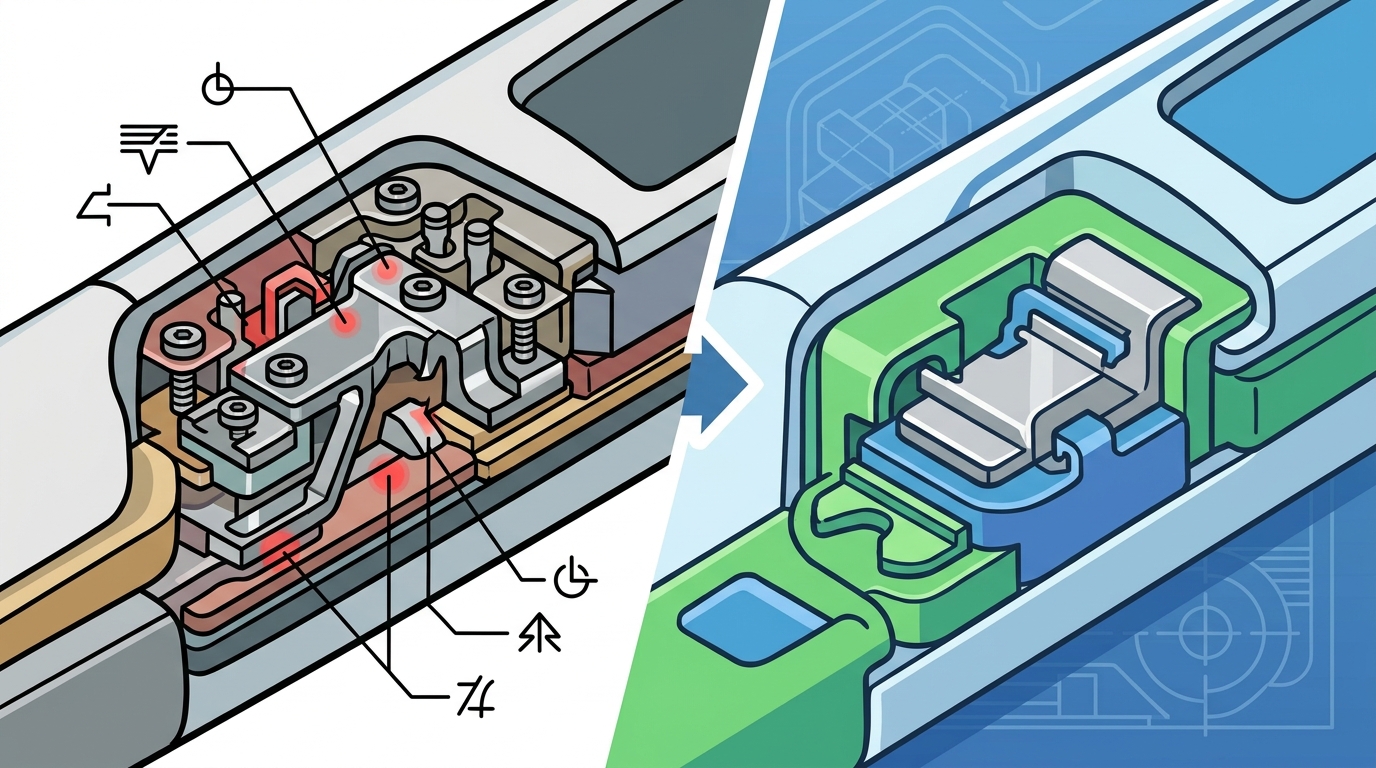
Tolerance analysis is a critical component of this simplification. Tight tolerances require more precise and slower manufacturing processes, which increases the cost per unit. By applying Geometric Dimensioning and Tolerancing (GD&T) as a communication system rather than just a drawing requirement, engineers can define only the tolerances that are functionally necessary. This approach prevents over-engineering and allows for the use of more cost-effective manufacturing techniques.
For example, a surgical probe with a complex tip geometry may require specialized machining. By redesigning the tip to use standard profiles, the manufacturer can utilize existing tooling and reduce setup times. This change maintains the clinical performance of the device while significantly lowering the production cost.
Material Selection and Standardization
Material choice is one of the most significant factors in manufacturing cost. Using standard, readily available materials reduces procurement lead times and lowers material costs. Custom alloys or exotic materials often require special handling and processing, which adds to the overall expense. Standardizing materials across different components of a device can also simplify inventory management and reduce waste.
Material selection must balance cost with performance requirements. For instance, a device component that does not require high strength can be made from a less expensive polymer rather than a metal. This substitution can lead to substantial savings without affecting the device's functionality. However, the material must still meet all regulatory and safety standards for medical use.
Consider a disposable device where the housing is made from a standard plastic. By selecting a material that is compatible with injection molding, the manufacturer can produce large volumes quickly and at a low cost. This approach is particularly effective for high-volume, low-cost devices where efficiency is paramount.
Assembly Optimization and Design for Assembly
Design for Assembly (DFA) focuses on reducing the number of parts and simplifying the assembly process. Fewer parts mean fewer assembly steps, which lowers labor costs and reduces the risk of assembly errors. By integrating multiple functions into a single component, engineers can streamline the production line and improve overall efficiency.
Using standard fasteners and connection methods also contributes to cost reduction. Custom fasteners or unique connection mechanisms require special tooling and training, which increases costs. Standardizing these elements allows for faster assembly and easier maintenance. This approach also simplifies the supply chain, as standard components are more readily available.
For example, a medical device that uses multiple screws for assembly can be redesigned to use snap-fit connections. This change eliminates the need for fasteners and reduces the number of assembly steps. The result is a faster assembly process and a lower cost per unit, while maintaining the structural integrity of the device.
Maintaining Quality Through Design
Cost reduction must never come at the expense of quality. Design for manufacturability is a quality exercise, not just a cost exercise. By designing for manufacturability, engineers can identify and eliminate potential failure points before production begins. This proactive approach reduces the likelihood of defects and rework, which are costly and time-consuming.
Verification is a system, not a phase. Integrating verification activities early in the design process ensures that the device meets all requirements before tooling is created. This approach prevents expensive changes late in development, which can delay launch and increase costs. By treating verification as an ongoing process, teams can maintain high quality standards while optimizing for cost.
For instance, a device that undergoes rigorous verification testing during the design phase is less likely to fail during production. This reduces the need for rework and ensures that the final product meets all regulatory requirements. The result is a higher quality device that is also more cost-effective to manufacture.
Engineering Leadership and Outsourcing
Effective engineering leadership is essential for implementing design for manufacturability. Leaders must prioritize cost and quality in their decision-making and ensure that the team has the necessary skills and resources. Outsourcing can be a valuable tool for accessing specialized expertise, but it must be managed carefully to avoid delays and miscommunication.
When engineering outsourcing accelerates development, it can lead to significant cost savings. However, when it slows development down, it can increase costs and delay launch. By choosing the right partner and managing the relationship effectively, companies can leverage outsourcing to their advantage. This approach allows them to access specialized expertise without the overhead of hiring full-time employees.
For example, a company that outsources its FEA analysis to a specialized firm can gain insights that would be difficult to obtain in-house. This expertise can lead to design improvements that reduce manufacturing costs. The key is to ensure that the outsourcing partner has a deep understanding of the project's goals and constraints.
Key Takeaways
- Simplifying geometry and tolerances reduces manufacturing time and cost.
- Standardizing materials lowers procurement and inventory costs.
- Design for Assembly minimizes part count and assembly steps.
- Integrating verification early prevents expensive late-stage changes.
- Effective engineering leadership ensures cost and quality are balanced.
- Outsourcing can provide specialized expertise when managed correctly.
Frequently Asked Questions
What is design for manufacturability?
Design for manufacturability is the practice of designing a product to simplify its production process while maintaining quality and performance.
How does GD&T help reduce costs?
GD&T helps reduce costs by defining only the tolerances that are functionally necessary, preventing over-engineering.
Can material substitution affect device safety?
Material substitution must be carefully evaluated to ensure it meets all safety and performance requirements.
What is the role of verification in DFM?
Verification ensures that the design meets all requirements before production, preventing costly late-stage changes.
How can outsourcing support DFM?
Outsourcing can provide specialized expertise in areas like FEA, leading to design improvements that reduce costs.
Conclusion
Implementing design for manufacturability is a strategic approach to reducing medical device manufacturing costs without sacrificing quality. By simplifying geometry, standardizing materials, optimizing assembly, and integrating verification early, companies can achieve significant cost savings. A65 Consulting offers expert engineering services to help you implement these strategies effectively. Contact us today to learn how we can help you optimize your device design for cost and quality.