Medical device prototyping and testing is an iterative cycle of building physical models, validating performance, and refining designs to meet strict regulatory and safety standards. This process ensures that a device functions reliably in real-world clinical environments before it reaches the market. A65 Consulting guides engineering teams through this complex journey, balancing technical feasibility with regulatory compliance to deliver viable, safe products. according to Dental Implants What
The Iterative Nature of Physical Prototyping
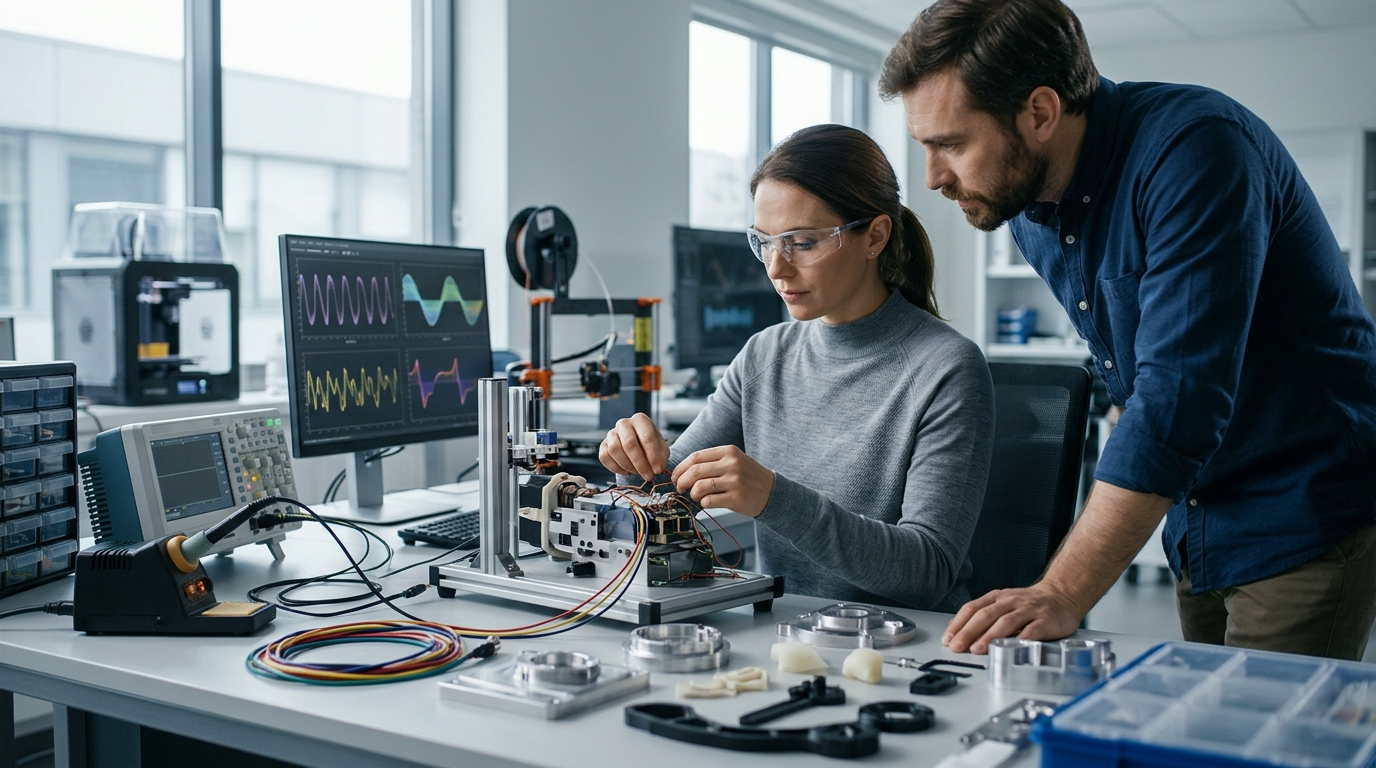
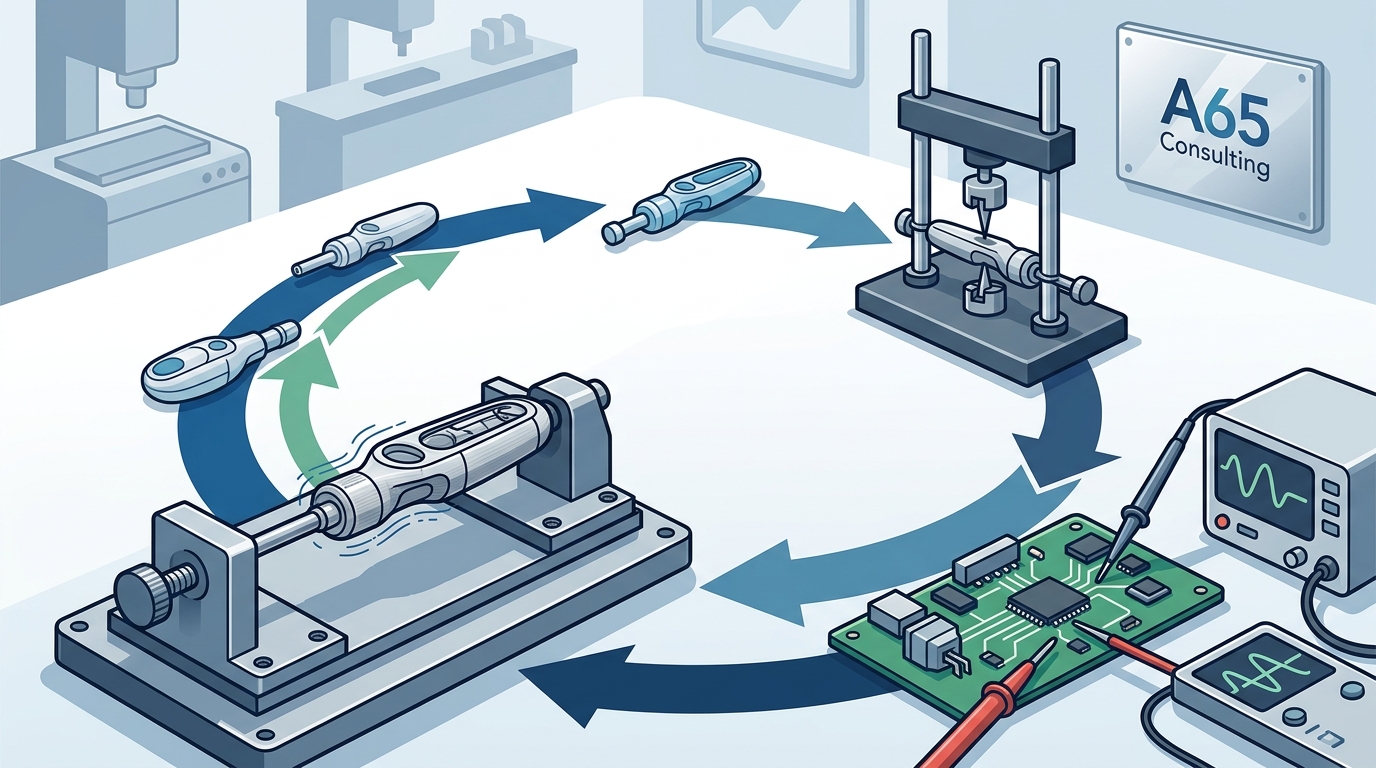
Prototyping is the physical embodiment of a design concept, allowing engineers to test form, fit, and function before committing to expensive tooling. In the medical device sector, this phase is rarely linear. Teams often build multiple iterations, each addressing specific failures or performance gaps identified in the previous round. For example, a team developing a new endoscopic probe might build three distinct prototypes to resolve issues with cable fatigue and signal clarity. Each iteration provides tangible data that informs the next design decision, reducing the risk of late-stage redesigns.
The choice of prototyping method depends heavily on the device's complexity and the specific risks being mitigated. Rapid prototyping techniques, such as 3D printing, are ideal for early-stage form and fit checks. However, they may not accurately represent the material properties of the final production part. Engineers must understand these limitations to avoid false confidence in a prototype's performance. A65 Consulting emphasizes that prototyping is a communication tool as much as a technical one, ensuring that all stakeholders, from clinicians to regulators, understand the device's intended use and limitations.
Verification Testing: Confirming Design Requirements
Verification testing is the process of confirming that a device meets its specified design requirements. This is a critical step where the prototype is subjected to rigorous tests that validate its performance against predefined criteria. These tests are not about discovering new requirements but about proving that the design works as intended. For instance, a battery-powered medical monitor must undergo specific electrical safety tests to ensure it does not pose a shock hazard to the patient. The results of these tests are documented in detailed reports that form the backbone of the regulatory submission.
Verification is often misunderstood as a single event near the end of development. In reality, it is a continuous system that begins with the definition of requirements. If a requirement is vague or untestable, the verification process will fail. A65 Consulting works with clients to define clear, measurable requirements from the outset, ensuring that verification testing is efficient and effective. This approach prevents the common pitfall of testing a design that does not meet the original user needs.
Validation Testing: Ensuring Clinical Utility
Validation testing is the process of confirming that the device meets the needs of the intended user in its intended use environment. While verification asks, "Did we build the product right?", validation asks, "Did we build the right product?" This phase involves testing the device in conditions that mimic real-world clinical use. For a surgical instrument, this might mean testing it in a simulated operating room with various lighting conditions and user movements. The goal is to identify any usability issues or safety risks that might not be apparent in a controlled lab setting.
Human factors engineering plays a crucial role in validation. Engineers must consider how users will interact with the device, including potential errors and workarounds. A device that is technically perfect but difficult to use may lead to user errors and patient harm. A65 Consulting integrates human factors analysis into the validation process, ensuring that the device is not only safe and effective but also intuitive and user-friendly. This holistic approach reduces the risk of post-market complaints and regulatory issues.
Regulatory Compliance and Documentation
Documentation is not just a bureaucratic hurdle; it is a critical component of the development process. It provides a traceable record of every design decision, test result, and change made during development. This traceability is essential for demonstrating that the device was developed in a controlled and systematic manner. A65 Consulting helps clients build robust documentation systems that meet FDA expectations, streamlining the regulatory submission process and reducing the risk of delays or rejections.
From Prototype to Production: The Transition
The transition from prototype to production is a critical phase where the design is finalized and manufacturing processes are established. This phase involves design for manufacturing (DFM) analysis, which ensures that the device can be produced efficiently and consistently. DFM considers factors such as material selection, assembly sequence, and quality control. A well-executed DFM process can significantly reduce production costs and improve product quality.
Production validation is the final step in the development process, confirming that the manufacturing process can consistently produce devices that meet all specifications. This involves testing production units under normal operating conditions to ensure that they perform as expected. A65 Consulting supports clients through this transition, providing expertise in manufacturing engineering and quality management to ensure a smooth and successful launch.
Key Takeaways
- Prototyping is an iterative process that builds physical models to test form, fit, and function.
- Verification testing confirms that a device meets its specified design requirements.
- Validation testing ensures that the device meets the needs of the intended user in its intended use environment.
- Regulatory compliance requires extensive documentation of the development process.
- Design for manufacturing (DFM) is essential for a successful transition to production.
- Human factors engineering is critical for ensuring device usability and safety.
- A65 Consulting provides expert guidance through every stage of the prototyping and testing process.
Frequently Asked Questions
How many prototypes are typically needed for a medical device?
The number of prototypes varies depending on the device's complexity and the risks involved. Simple devices may require only one or two prototypes, while complex systems may require multiple iterations. The goal is to build enough prototypes to mitigate key risks before committing to production tooling.
What is the difference between verification and validation?
Verification confirms that a device meets its specified design requirements, while validation confirms that the device meets the needs of the intended user in its intended use environment. Verification is about building the product right, while validation is about building the right product.
How long does the prototyping and testing process take?
The duration depends on the device's complexity and the regulatory pathway. Simple devices may take a few months, while complex systems can take several years. A65 Consulting works with clients to develop realistic timelines that account for all necessary testing and documentation.
What role does FEA play in prototyping?
Finite Element Analysis (FEA) is a simulation technique used to predict how a device will perform under various loads and conditions. It is often used in the early stages of prototyping to identify potential design issues before physical prototypes are built.
How does A65 Consulting support the prototyping process?
A65 Consulting provides expert engineering support throughout the prototyping process, from concept development to production transition. Our team works with clients to define requirements, build prototypes, conduct testing, and prepare regulatory documentation.
Partner with A65 Consulting for Your Next Device
Navigating the complexities of medical device prototyping and testing requires expertise, experience, and a commitment to quality. A65 Consulting is your trusted partner in bringing your device concept to reality. Our team of skilled engineers has the knowledge and resources to guide you through every stage of the development process, ensuring that your device is safe, effective, and ready for the market. Contact A65 Consulting today to discuss your project and learn how we can help you achieve your goals. according to Dental Implants What