
Accelerating Medical Device Manufacturing Transfer: A Strategic Guide for Startups
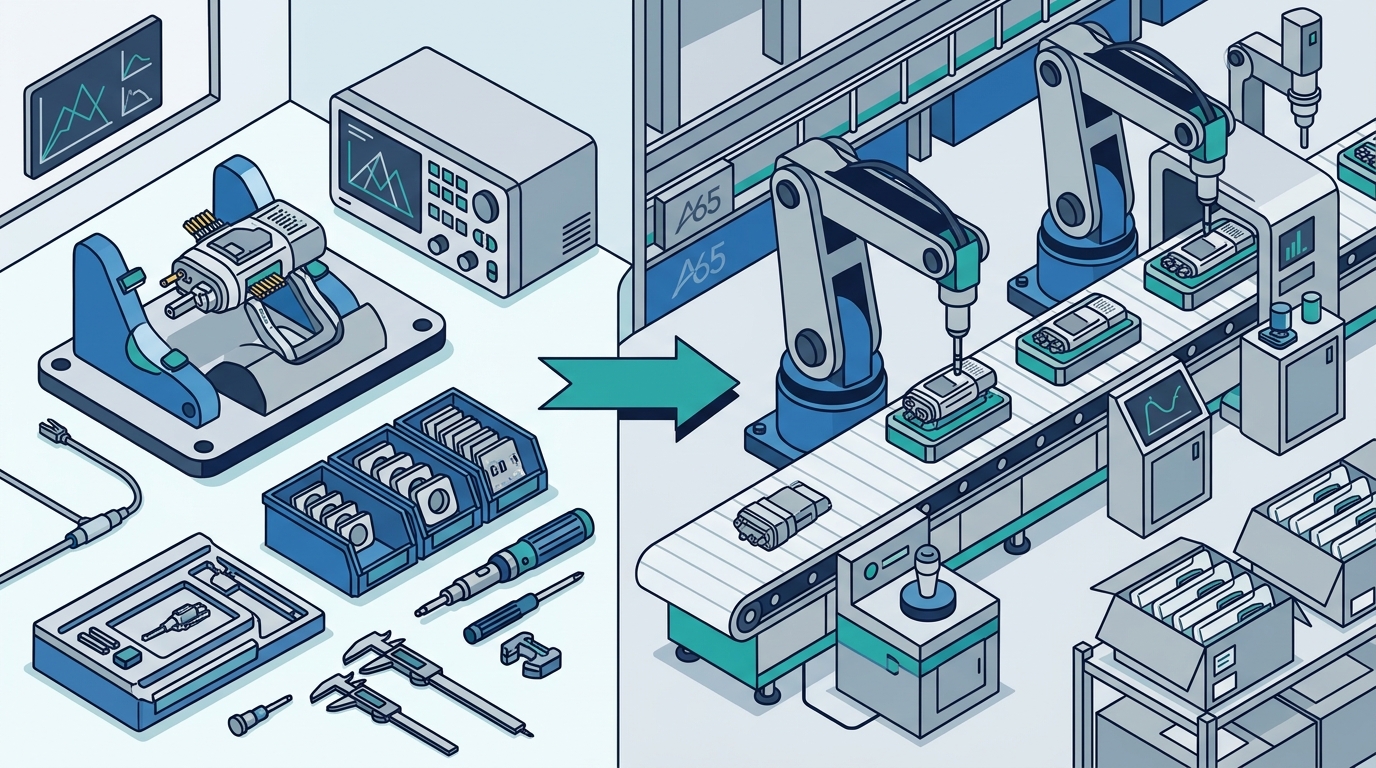
Medical device startups often face a critical bottleneck when moving from prototype to production. Manufacturing transfer is the complex process of shifting device creation from a research lab to a high-volume production facility. This phase determines whether a product can scale efficiently while maintaining regulatory compliance. Recent industry data indicates that nearly 90% of medical device startups encounter significant delays during this transition due to poor planning and lack of specialized engineering support. This guide outlines the exact strategies to accelerate this process, reduce costs, and ensure a smooth launch.
Understanding the Manufacturing Bottleneck
Many startups treat manufacturing as an afterthought until the design is finalized. This approach leads to costly redesigns and extended timelines. Design for Manufacturing (DfM) is a systematic approach to designing products that are easy and cost-effective to manufacture. By integrating DfM principles early, you can identify potential production issues before they become expensive problems.
According to industry reports, startups that engage engineering partners early in the design phase reduce manufacturing transfer time by up to 30%. This acceleration is not just about speed; it is about quality and regulatory readiness. When you work with experts who understand the nuances of medical device production, you avoid the common pitfalls that stall progress.
At A65 Consulting, we specialize in bridging the gap between concept and viable product. Our team helps startups navigate the complexities of product development, ensuring that every design decision supports future manufacturing goals. By focusing on precision engineering and rigorous program management, we help teams stay on time and on budget.
Design for Manufacturing (DfM) Essentials
Design for Manufacturing is not merely a cost-reduction exercise; it is a quality assurance strategy. When DfM is introduced late in the development cycle, it often appears as a reactive measure to tighten margins. However, proactive DfM ensures that the product is designed to be built correctly the first time.
Material Selection and Process Compatibility
The choice of materials directly impacts the manufacturability of your device. Startups must select materials that are not only biocompatible but also compatible with high-volume production processes such as injection molding or CNC machining. A65 Consulting provides expert guidance on material selection to ensure that your device meets both performance and production requirements.
Tolerance Analysis and Assembly
Over-specifying tolerances can drive up costs and slow down production. Conversely, under-specifying tolerances can lead to assembly failures and quality issues. A thorough tolerance analysis helps balance these factors, ensuring that the device is robust and easy to assemble. Our team conducts detailed DFM reviews to optimize these parameters before the design is locked.
Selecting the Right Contract Manufacturer
Choosing the right contract manufacturer (CM) is one of the most critical decisions a startup will make. The CM must have the technical capability, regulatory experience, and capacity to handle your device. A mismatch in expectations or capabilities can lead to significant delays and increased costs.
Evaluating CM Capabilities
When evaluating potential partners, look for experience in your specific device class. A manufacturer who specializes in implantable devices may not be the best fit for a diagnostic tool. Reviewing past projects can provide insight into a CM’s expertise and reliability. Additionally, consider their quality management systems and their ability to support your regulatory submissions.
Building a Partnership
Manufacturing transfer is a collaborative process. The best results come from a partnership where the CM is involved early in the design phase. This allows for real-time feedback and adjustments that can streamline the transfer process. A65 Consulting helps startups identify and vet potential manufacturing partners, ensuring a smooth transition from design to production.
Validation and Regulatory Compliance
Validation is often treated as a phase that happens near the end of development. However, verification is a system that must be integrated throughout the product life cycle. Verification is the process of confirming that the device meets its specified requirements. When validation is delayed, it becomes a major bottleneck that can halt launch plans.
Process Validation vs. Product Validation
Process validation ensures that the manufacturing process consistently produces a product that meets its specifications. Product validation ensures that the device meets user needs and intended uses. Both are critical for regulatory approval. According to FDA guidelines, proper validation is essential for demonstrating the safety and efficacy of medical devices. FDA Premarket Submission Guidelines provide detailed requirements for these processes.
Documentation and Traceability
Comprehensive documentation is key to a successful validation process. Every step of the manufacturing transfer must be documented and traceable. This includes design history files, risk management reports, and validation protocols. Our blog offers insights into creating robust documentation strategies that satisfy regulatory auditors.
Risk Management in Production
Risk management is a formalized engineering activity that must evolve as the product moves from concept to production. Risk analysis is the process of identifying and mitigating potential hazards associated with the device. Many risk analyses fail to change the design because they are treated as a paperwork exercise rather than a design tool.
Integrating Risk into Design
To accelerate manufacturing transfer, risk analysis must be integrated into the design process. This means identifying potential failure modes and designing mitigations into the product itself. A65 Consulting helps startups implement effective risk management strategies that reduce design problems and improve product reliability.
Continuous Improvement
Risk management does not end with the launch. Continuous monitoring of post-market data is essential for identifying new risks and implementing improvements. This iterative process ensures that the device remains safe and effective throughout its life cycle. Contact us to discuss how we can support your risk management efforts.
Key Takeaways
- Early Engagement: Engaging engineering partners early in the design phase can reduce manufacturing transfer time by up to 30%.
- DfM is Quality: Design for Manufacturing is a quality exercise, not just a cost reduction strategy.
- CM Selection: Choose contract manufacturers with specific experience in your device class and regulatory environment.
- Validation Integration: Treat verification as a system, not a phase, to avoid late-stage bottlenecks.
- Risk Management: Integrate risk analysis into the design process to mitigate hazards proactively.
- Documentation: Maintain comprehensive traceability to satisfy regulatory requirements.
- Partnership: Build collaborative relationships with your manufacturing partners for smoother transfers.
Frequently Asked Questions
How long does manufacturing transfer typically take?
The timeline varies based on device complexity, but startups that plan early can complete the process in 6 to 12 months. Delays often occur due to late-stage design changes or inadequate validation planning.
What is the role of a contract manufacturer in the transfer process?
Contract manufacturers provide the infrastructure, expertise, and quality systems needed to produce the device at scale. They also assist with process validation and regulatory compliance.
How can startups reduce the cost of manufacturing transfer?
By implementing DfM principles early, selecting appropriate materials, and choosing the right manufacturing partners, startups can significantly reduce costs associated with redesigns and production inefficiencies.
Why is verification important in manufacturing transfer?
Verification ensures that the device meets its design requirements. When treated as a system, it prevents late-stage failures and ensures that the product is ready for production.
What are the key regulatory requirements for manufacturing transfer?
Key requirements include process validation, risk management documentation, and design history files. Compliance with FDA and ISO standards is essential for market approval.
How does A65 Consulting support manufacturing transfer?
A65 Consulting provides engineering leadership, DfM reviews, and program management to help startups navigate the complexities of manufacturing transfer. We help close critical gaps in engineering capability and keep programs moving forward.
What is the difference between process validation and product validation?
Process validation ensures the manufacturing process is consistent, while product validation ensures the device meets user needs. Both are critical for regulatory approval.
Next Steps for Your Device
Accelerating your manufacturing transfer requires strategic planning and expert support. A65 Consulting is your premium medical device engineering partner. We help you transform your device concept into a viable product that meets regulatory standards and market demands. Book a consultation today to discuss your project and discover how we can help you achieve your product development objectives.